How to Celebrate the Summer Solstice: Rituals, Traditions & Folklore
The Summer Solstice, also known as Midsummer, marks the peak of the sun’s power, a moment of wild abundance, golden light and ancient magic. In 2026, this sacred turning point falls on 21st June in the Northern Hemisphere, ushering in the longest day and shortest night of the year. In the Southern Hemisphere, the same date brings the Winter Solstice, a time for reflection, stillness and the quiet return to the dark.
Across centuries and cultures, rituals have honoured the Solstice as a celebration of life, growth, fertility and fire. From stone circles and mountaintop fires to quiet home altars, it is a time to pause and feel the pulse of the earth beneath your feet, to honour the power of the sun and your place in nature’s rhythm.

What is the Summer Solstice? History, meaning and folklore
The Summer Solstice occurs when the sun reaches its highest point in the sky, marking the longest day of the year. This solar peak usually falls between 20th and 22nd June in the Northern Hemisphere and has been revered throughout history as a moment of light, growth and transformation.
Known as Litha in many modern pagan traditions, the Summer Solstice draws on older celebrations of light, fertility and the life giving force of the sun. Fires have long been associated with protection, blessing and transformation, while later folklore connected Midsummer with heightened magic and a thinning of the boundary between worlds. Today, honouring the Summer Solstice offers a way to reconnect with the cycles of the earth and the timeless symbols woven into the changing light.
When is the Summer Solstice?
The Summer Solstice usually takes place between 20th and 22nd June, when the Northern Hemisphere is tilted most directly towards the sun. In 2026, it falls on 21st June in the UK. This moment marks the longest day and shortest night of the year and has long been associated with strength, fertility and nature’s abundance.
Across many cultures, the Solstice represented a powerful turning point, the height of light before the days begin to slowly shorten once more. It became a time for honouring the sun, blessing the land and gathering together to celebrate life in full bloom. Even in the modern world, the Solstice invites us to realign with nature and step into the fullness of our own becoming.
8 meaningful ways to celebrate the Summer Solstice
The Summer Solstice can be celebrated through simple rituals that honour the sun, the living land and the abundance of the season. You do not need to visit an ancient monument or perform an elaborate ceremony. The most meaningful celebrations are often those that bring you fully into the day and deepen your awareness of the natural world.
1. Watch the sunrise or sunset
Rise early to witness the first light, or find a quiet hilltop, beach or open landscape from which to watch the sun descend. Pause without distraction and notice the warmth, colour and changing sky. This simple ritual honours the sun at the height of its power and roots your celebration in the living world around you.
2. Swim or honour the element of water
Wild swimming in the sea, a river or a lake can be a visceral way to meet the season through the body. Enter the water slowly and allow it to mark a moment of renewal. When swimming is not possible, wash your hands or feet in cool water infused with herbs or flower petals as a quieter water ritual.
Always choose a safe place to swim, check local conditions and never enter unfamiliar water alone.
3. Light a Solstice fire or candle
Fire has long been associated with Midsummer, representing vitality, protection and transformation. Light a fire where it is safe and permitted, or use a single candle at home. As the flame burns, reflect on what has reached fullness in your life and what you wish to carry into the second half of the year.
4. Gather seasonal flowers and herbs
Use garden flowers, fallen petals or responsibly gathered herbs to create a flower crown, wreath, herbal bundle or seasonal arrangement. Choose plants that are abundant and familiar to you, and avoid picking protected or uncommon wild species. Making something with the season’s materials becomes a tactile expression of gratitude for the land.
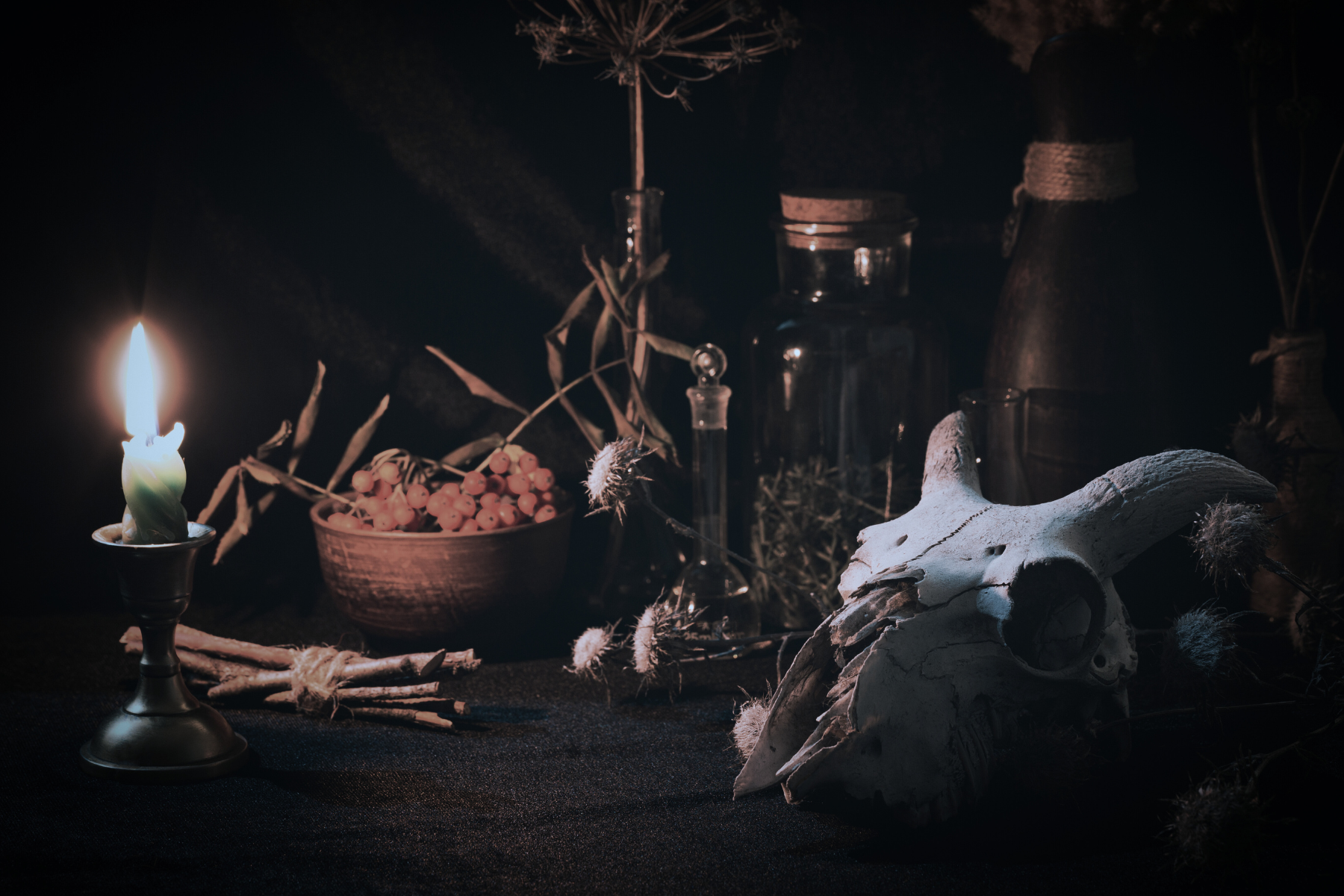
5. Create a Summer Solstice altar
Create a small altar using candles, flowers, herbs, shells, stones or seasonal fruit. Let it reflect what summer means to you, whether that is radiance, courage, pleasure, abundance or connection to the land. You will find more detailed Summer Solstice altar ideas later in this guide.
6. Share an outdoor feast
Gather outdoors for a picnic, garden meal or fire cooked supper using foods that feel fresh and seasonal. Berries, bread, honey, herbs and summer vegetables all carry the character of Midsummer. Eating with others honours the communal roots of seasonal celebration, although a quiet meal alone can be equally intentional.
7. Reflect on what is flourishing
The Solstice is a natural moment to notice what has grown since winter. Write about what is thriving, what has surprised you and what now needs your care or protection. You might also consider what can be released as the year begins its gradual movement back towards darkness.
8. Wear a seasonal talisman
Choose a symbol connected to the sun, sea, strength, growth or the living land and wear it throughout the day. A talisman gives physical form to your intention, something you can touch and return to as a reminder of what you are honouring at this turning point in the year.
After more than a decade working in British wildlife conservation, my own Solstice celebrations are usually rooted in the landscape around me here in Dorset. I am drawn to the simplest rituals: an early walk, time beside the sea, gathering flowers from the garden and noticing what is at its fullest in the living world. For me, the Solstice is less about performing the season perfectly and more about becoming fully present within it.
Summer Solstice and Litha: a pagan perspective
For many modern pagans, druids and followers of the old ways, the Summer Solstice, or Litha, is a sacred celebration of light and fire. It represents the zenith of the sun’s journey, when the earth brims with life force, vitality and potential. Celebrated through fire, feasting and seasonal ritual, Litha is a moment of joyous connection with the living land.
In later Celtic and folkloric traditions, hilltop fires became associated with protection, blessing and the power of the sun. In modern interpretations of Norse mythology, the radiant god Baldr is sometimes connected with the light and beauty of Midsummer. These rituals and associations express a deep reverence for the land, the light and the mystery of seasonal change.

Summer Solstice symbolism: fire, abundance and the sun
The symbols of the Summer Solstice speak of light, transformation and the sacred power of life in full bloom.
Colours of the season
- Gold and yellow: The sun’s strength, joy and illumination
- Green: Fertility, growth and the earth’s abundance
- Red and orange: Passion, courage and fire’s transformative energy
Plants and flowers
- St John’s Wort: Traditionally gathered around Midsummer and associated with protection
- Sunflowers and marigolds: Solar symbols of joy, radiance and strength
- Roses and daisies: Love, beauty and blossoming potential
- Oak and birch: Endurance, strength and new beginnings
Animals of the Solstice
- Bees: Community, harmony, pollination and the sweetness of shared labour
- Butterflies: Transformation, movement and ephemeral beauty
- Eagles and hawks: Clarity, insight, solar power and higher vision
Midsummer foods
- Fresh berries and stone fruits: Offerings of summer’s sweetness
- Honey and bread: Nourishment, abundance and sacred sharing
- Grilled seasonal vegetables or meats: Reminders of the fire and the feast
- Herbal teas: Especially blends using mugwort, yarrow or lemon balm
Traditional ways to celebrate Midsummer
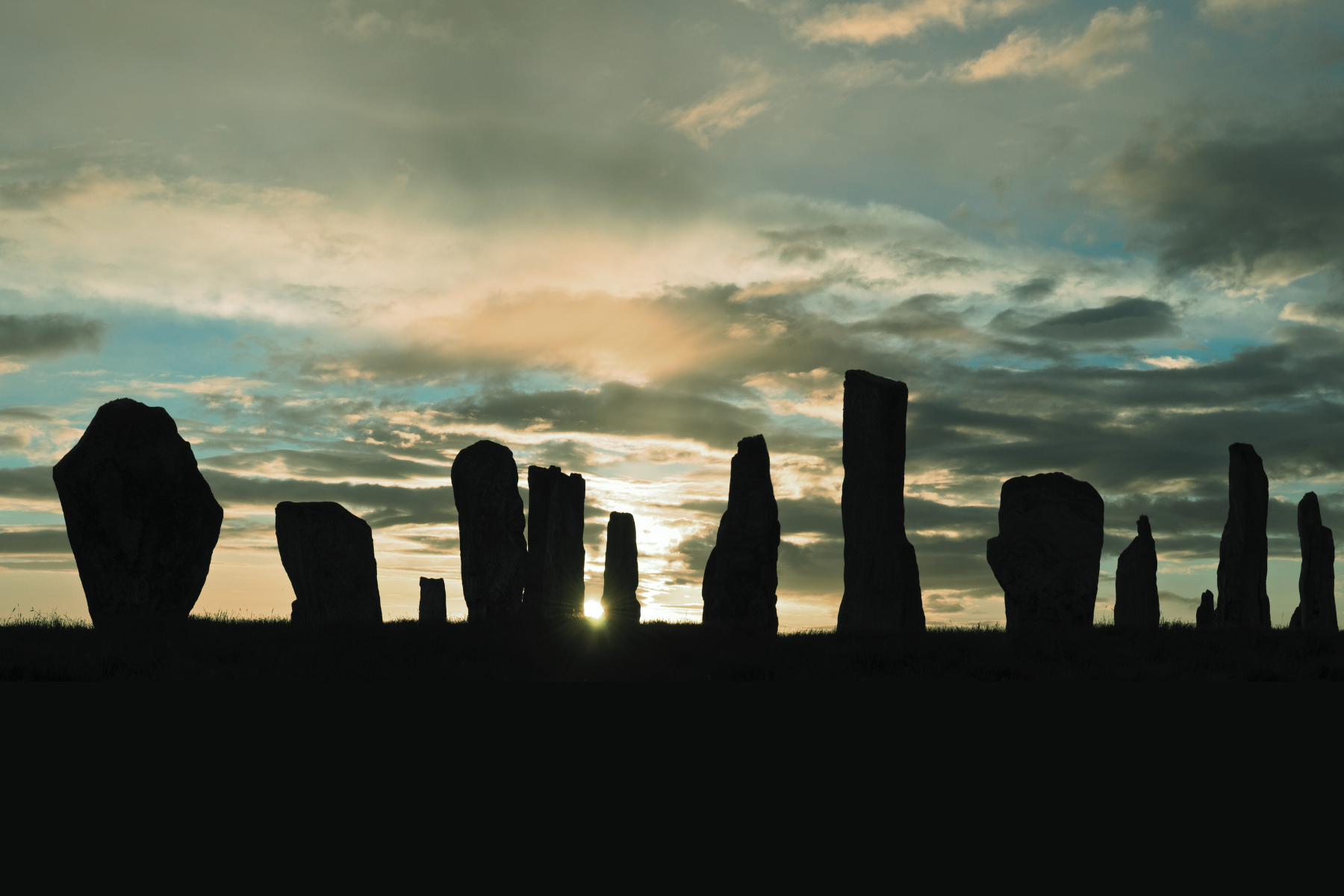
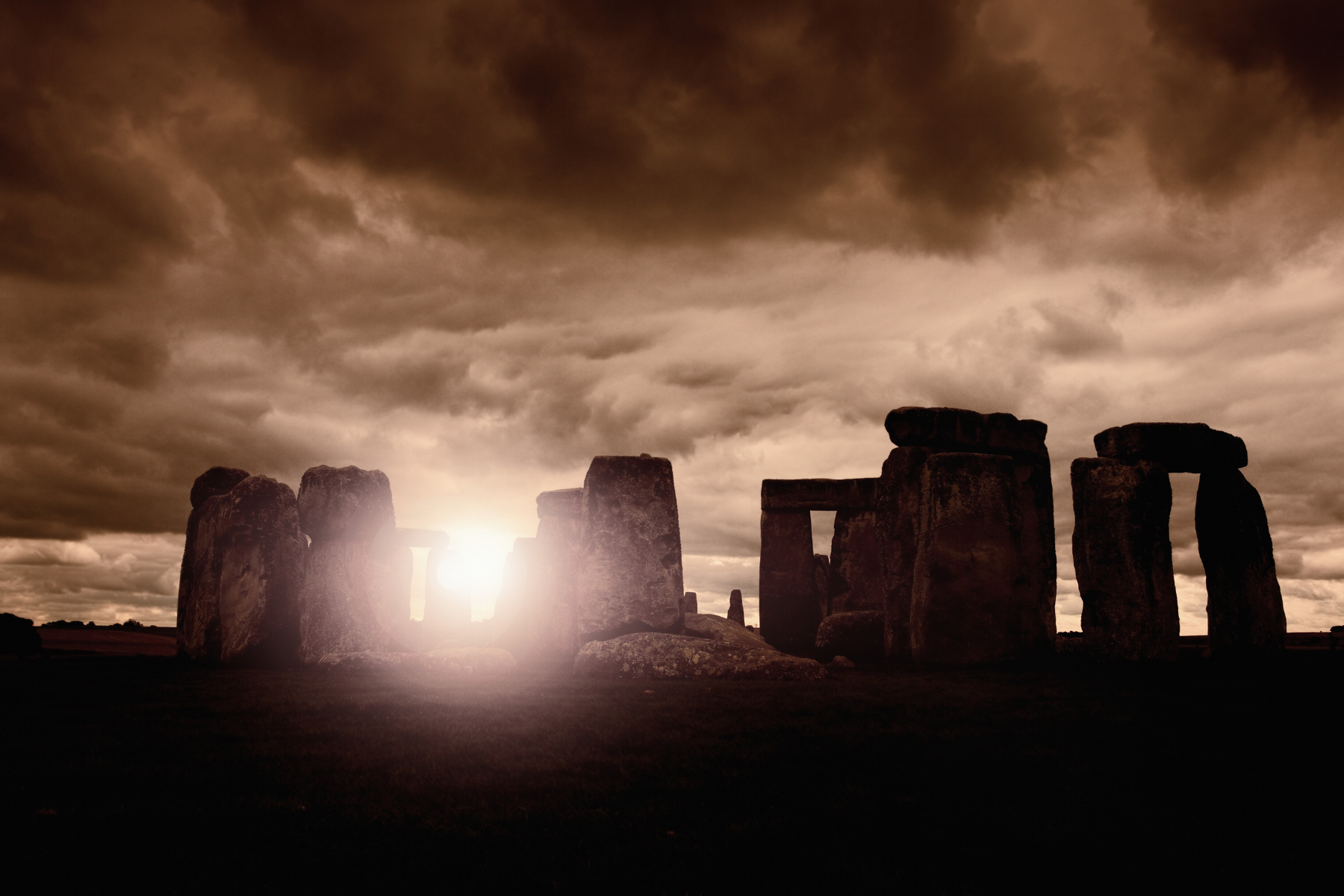
Communities across the world have long celebrated the Solstice through dance, fire, ritual and connection to the land. At places such as Stonehenge, gatherings still honour the rising sun. Elsewhere, customs include weaving flower crowns, lighting ceremonial fires and remaining awake through the shortest night to welcome the dawn.
These rites are more than folklore. They are embodied acts of devotion, ways to root ourselves in the primal cycles of death and rebirth, light and shadow, that shape every part of the natural world.
Summer Solstice traditions in the UK
Summer Solstice traditions in the UK are closely connected to ancient monuments, sunrise gatherings, seasonal fires and the natural landscape. Stonehenge is the best known place to welcome the Solstice sunrise, where people continue to gather on the longest day of the year. Smaller celebrations also take place at stone circles, hilltops, beaches and sacred landscapes across Britain.
Midsummer customs have included lighting bonfires, feasting, gathering flowers and herbs, remaining awake through the shortest night and greeting the dawn. Today, many people mark the Summer Solstice through outdoor gatherings, music, seasonal food, wild swimming or quiet time spent watching the changing light.
How to celebrate the Summer Solstice at home
You do not need a bonfire, large gathering or sacred site to honour Midsummer. The Solstice can be marked through simple acts that bring light, nature and intention into your home.
- Open the windows and welcome the morning light
- Dress a small altar with flowers, candles and meaningful personal objects
- Prepare a meal using seasonal fruit, herbs and vegetables
- Write down what has flourished since winter and what you want to nurture next
- Light a candle at sunset and sit quietly as the longest day comes to an end
The power of the ritual does not come from its scale. It comes from your attention and the meaning you choose to give it.

Summer Solstice altar ideas and inspiration
A Summer Solstice altar can become a place to honour light, warmth and transformation throughout the season.
- Use golden candles, fresh flowers and sun shaped objects
- Place herbs such as mugwort, chamomile or yarrow on the altar
- Add personal objects, jewellery, handwritten intentions or prayers
- Include seasonal fruit, shells, stones or images of solar animals
Your altar does not need to follow a fixed tradition. Let it become a space you can return to throughout the season, somewhere to reflect, honour what is flourishing and stay grounded in your intentions.
Wear Summer Solstice jewellery as a symbolic talisman
Jewellery can become part of a potent personal ritual, connecting us to the changing seasons and the folklore that surrounds them. Wearing a symbol of what you wish to honour creates a tactile reminder of your intentions. Just as you might dress a sacred altar with meaningful objects, adorning yourself in symbolic Summer Solstice jewellery allows the body itself to become part of the ritual.

Dúfa, Seashell Slice Necklace in Solid Sterling Silver
Dúfa is Old Norse for wave and is the name of one of the nine daughters of the sea, the offspring of Ægir and Rán. Each daughter embodies a different poetic quality of the ocean, from crashing waves to softly tumbling sea foam.

Thunor, Stag Beetle Necklace in Solid Sterling Silver
In the heart of primaeval groves where ancient secrets linger, dwells the stag beetle. In the realm of decay and shadows, it thrives. You may have been lucky enough to glimpse one on a balmy summer evening, hazy with heat. Invoke the stag beetle when your spirit yearns for inner strength and resilience.

Veðrfölnir, Hawk Talon Necklace in Solid Sterling Silver
Hawks have long been associated with the sun, clear sight and personal power. Wear the hawk talon as a symbol of inner strength, self expression and the courage to move through the world with unwavering vision.
FAQs about the Summer Solstice
When is the Summer Solstice?
The Summer Solstice takes place between 20th and 22nd June in the Northern Hemisphere. It marks the longest day and shortest night of the year. In 2026, the Summer Solstice falls on 21st June in the UK.
What are you supposed to do on the Summer Solstice?
There is no single correct way to celebrate the Summer Solstice. Many people watch the sunrise, spend time outdoors, light a fire or candle, gather flowers, share seasonal food and reflect on growth and abundance.
What are the pagan rituals for the Summer Solstice?
Pagan Summer Solstice rituals may include lighting fires, watching the sunrise, gathering herbs and flowers, creating a seasonal altar, feasting and giving thanks for the sun and the living land.
What are Summer Solstice traditions in the UK?
Summer Solstice traditions in the UK include sunrise gatherings at places such as Stonehenge, lighting seasonal fires, feasting, gathering flowers and herbs and remaining awake through the shortest night to greet the dawn.
How can I celebrate the Summer Solstice at home?
You can celebrate the Summer Solstice at home by lighting a candle, decorating a seasonal altar, preparing food with summer ingredients, spending time in the garden and reflecting on what has grown in your life since winter.
Why is the Summer Solstice called Midsummer?
The Summer Solstice is called Midsummer because it traditionally represented the height or middle of the summer season, even though it falls close to the beginning of astronomical summer.
Is the Summer Solstice the same as Litha?
Litha is a modern pagan name commonly used for the Summer Solstice. It celebrates the sun at the height of its power and is associated with light, fertility, abundance and the fullness of the natural world.
Continue through the Wheel of the Year
The Summer Solstice is one threshold within the wider turning of the year. Continue following the seasonal cycle through these related guides:
- How to celebrate Beltane , rituals of fire, fertility and the rising energy of summer
- How to celebrate Lughnasadh , the first harvest and the beginning of summer’s descent
- How to celebrate the Autumn Equinox , a seasonal threshold of harvest, balance and release
- How to celebrate the Winter Solstice , traditions and rituals for the longest night and the return of light
A final ritual: adorn your summer
Drawn to the wild light of Midsummer? Let your celebration linger with talismans crafted to honour the Summer Solstice, pieces of ritual adornment that hold the sun’s fire and the earth’s wisdom.
Sign up to my newsletter to receive seasonal insights, folklore and early access to new collections inspired by the turning wheel of the year.