How to Celebrate the Winter Solstice: Traditions, Rituals, and Meaning
Meaning, history, symbolism, and modern ways to mark the longest night
The winter solstice marks the deepest turning of the year. In the Northern Hemisphere, it usually falls around the 21st of December, when daylight is at its shortest and night reaches its longest span. From this point onward, the sun begins its slow return, lengthening the days by minutes at a time, so subtly that it is often felt long before it is consciously noticed.
For thousands of years, people have observed this moment and chosen to mark it, not as a celebration of abundance, but as an acknowledgement of endurance. The solstice sits at the threshold between descent and return, between what has been survived and what is still to come.

If you’re searching for how to celebrate the winter solstice, this is a grounded guide to marking the longest night of the year in the Northern Hemisphere. It explores the history, symbolism, and meaning of the winter solstice, alongside simple, modern ways to honour it through light, reflection, seasonal ritual, and talismans worn through the dark half of the year.
To celebrate the winter solstice is not to rush toward light, but to recognise the power of darkness itself, and the quiet promise held within it.
A note for the Southern Hemisphere
While this guide focuses on the winter solstice in the Northern Hemisphere, the same date marks the summer solstice in the Southern Hemisphere, the longest day of the year and the height of light. Rather than descent and stillness, this turning point speaks to fullness, vitality, and outward expression. If you are living south of the equator and wish to explore how this moment is traditionally marked, you can read my guide to celebrating the summer solstice here: How to Celebrate the Summer Solstice.
How to Celebrate the Winter Solstice (Quick Guide)
The winter solstice can be celebrated by marking the longest night of the year with light, reflection, and seasonal awareness. Common ways to celebrate the winter solstice include lighting candles at dusk, sharing a warm meal, spending time outdoors at sunrise or sunset, reflecting on the year that has passed, and wearing meaningful talismans that honour endurance and protection through winter.
Why Celebrate the Winter Solstice Today
The winter solstice matters because it reflects a truth we still live by, even in modern life, that cycles exist whether we acknowledge them or not, and that ignoring them does not mean we are free from their effects.
For much of human history, the solstice offered reassurance rather than celebration. It confirmed that the sun would return, that winter would not deepen endlessly, and that life, though dormant and quiet, was still moving beneath the surface of the land. In agricultural societies, this knowledge was not symbolic or poetic. It was essential, shaping how people endured the hardest months of the year with patience rather than panic.
Today, the reasons to celebrate the winter solstice are quieter, but no less relevant. It offers a moment to pause at the lowest point of the year, to step out of constant forward motion, and to acknowledge both fatigue and resilience without needing to fix or transform them. Marking the solstice gives shape to winter itself, allowing it to be witnessed rather than rushed through, and reminds us that rest, stillness, and conservation are not failures of momentum, but part of a longer rhythm we are still bound to.
The History of the Winter Solstice in the Northern Hemisphere
Across the Northern Hemisphere, the winter solstice has been observed for millennia, often marked through architecture, gathering, and fire.
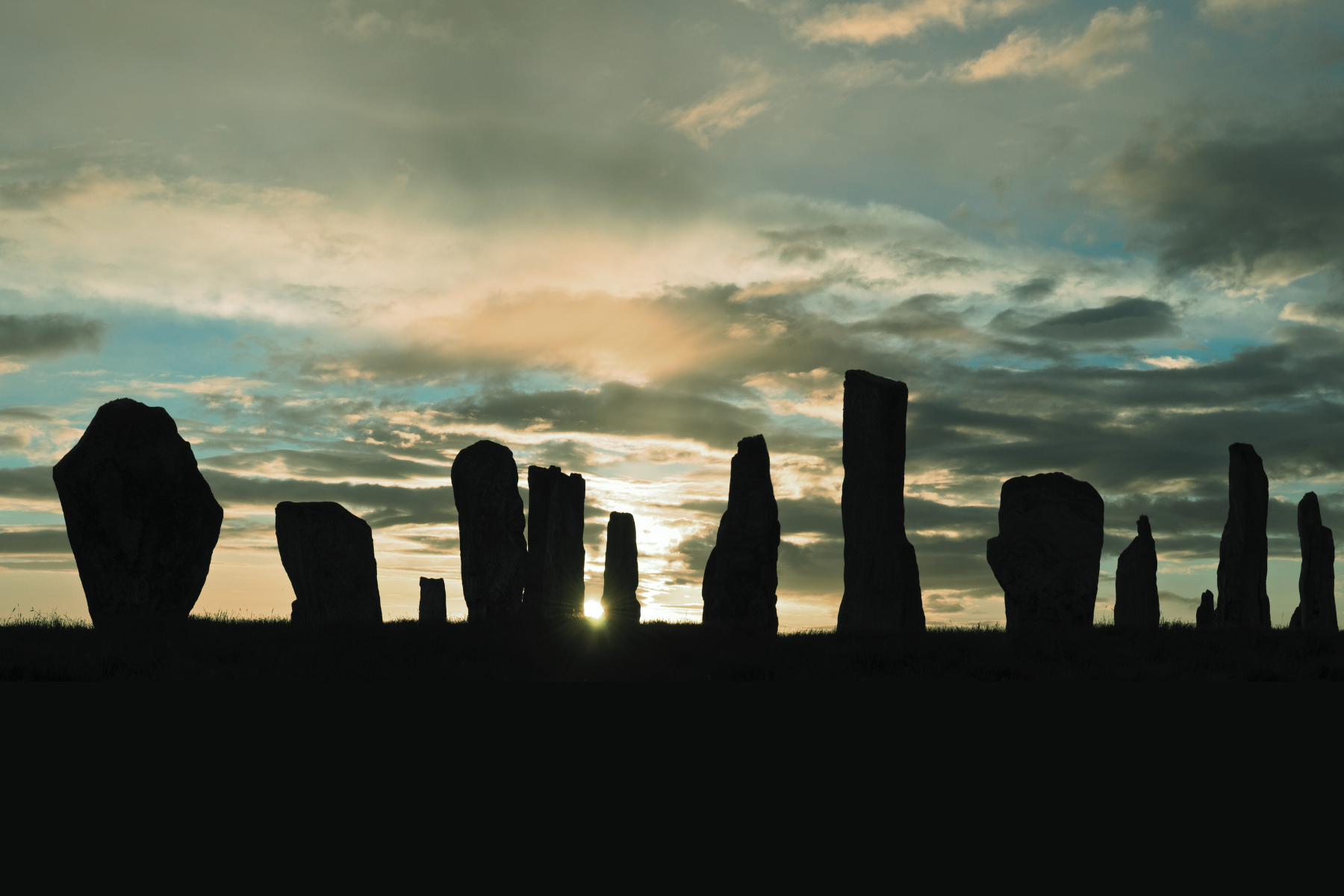
At Newgrange in Ireland, a Neolithic passage tomb built over 5,000 years ago, the rising sun at the winter solstice illuminates the inner chamber, a precise alignment that speaks to deep astronomical knowledge and reverence for seasonal turning.
At Stonehenge, the winter solstice sunset aligns with the monument’s central axis, suggesting that the longest night held as much significance as the height of summer.
Elsewhere across Europe and Asia, midwinter was marked with feasting, storytelling, and the tending of fires, practices that reinforced warmth, continuity, and communal survival during the coldest months.
What these traditions share is not uniform ritual, but shared attention. The solstice was watched, remembered, and honoured as a turning point written into the land itself.
The Symbolism and Meaning of the Winter Solstice
The symbolism of the winter solstice is shaped less by belief systems and more by observation. It arises from what winter actually asks of living beings, and from what the land itself demonstrates year after year.
Darkness and stillness
At the solstice, darkness is not something to be banished, but something to be acknowledged. Growth retreats underground, trees stand bare, and animals conserve energy rather than expend it. Stillness becomes a strategy for survival rather than a sign of stagnation. The solstice reminds us that pause is not absence, and that nothing in nature is ever truly inert.
Thresholds and turning
The solstice does not mark the end of winter, nor does it deliver an immediate sense of renewal. Instead, it marks a subtle turning, a hinge between descent and return, where change begins long before it is visible. The light does not surge back. It inches its way forward, asking for patience and trust.
Endurance and protection
Endurance, protection, and continuity sit at the heart of winter solstice symbolism. It is a season that honours boundaries rather than expansion, and strength that is quiet rather than forceful. To mark the solstice is to recognise the value of staying, holding, and enduring, even when outward progress feels slow or invisible.
Winter Solstice Symbols: Plants, Animals, Colours, and Food
Winter solstice symbolism often centres on the natural world, with specific plants, animals, colours, and foods traditionally associated with the longest night and the return of the sun.
Plants
Evergreens, holly, ivy, pine, and blackthorn are all associated with winter solstice symbolism. They represent resilience, protection, and life that persists through cold and darkness.
Animals
Raven, fox, and deer frequently appear in winter folklore across cultures, each reflecting intelligence, adaptation, and quiet strength rather than dominance.
Colours
Deep greens, blacks, charcoals, silvers, and muted golds echo the winter landscape, low light, bare branches, and frost.
Food
Traditional winter solstice foods tend toward warmth and sustenance, including soups, root vegetables, slow-cooked dishes, spiced drinks, and preserved fruits, all emphasising nourishment and shelter.
How to Celebrate the Winter Solstice Today
Modern winter solstice celebrations do not need to recreate ancient practices or follow prescribed rituals. They work best when they respond honestly to the season you are actually living in, to the light available to you, and to the pace your body naturally wants to adopt at this time of year.
Celebrating the winter solstice can be as simple as allowing darkness to exist without immediately trying to soften it, or creating moments of warmth, reflection, and shelter that acknowledge the season rather than resisting it. Lighting candles at dusk, sharing a quiet meal, walking at sunrise or sunset, or taking time to reflect on what the year has demanded of you are all ways of marking the solstice without performance or pressure.
The essential element is attention. To notice the dark. To remain present with it. And to recognise the turning of the year even when its effects feel distant, subtle, or incomplete.
Wearing Talismans During the Winter Solstice and Dark Half of the Year
Adornment has long been used as a way of carrying meaning through time. Objects worn close to the body become quiet witnesses to passing seasons, absorbing memory, intention, and experience without needing explanation or display.
In winter, this meaning often shifts away from growth and visibility and toward protection, endurance, and continuity. A talisman worn repeatedly through the darker months becomes part of the season itself, present through stillness, fatigue, reflection, and the gradual return of light. It is not worn to change winter, but to stay with it, to mark the passage of time in a way that feels intimate and embodied.

The Cailleach Blackthorn Necklace
Draws on blackthorn’s deep association with winter, thresholds, and fierce protection. Blackthorn flowers last, fruits late, and endures where others cannot.

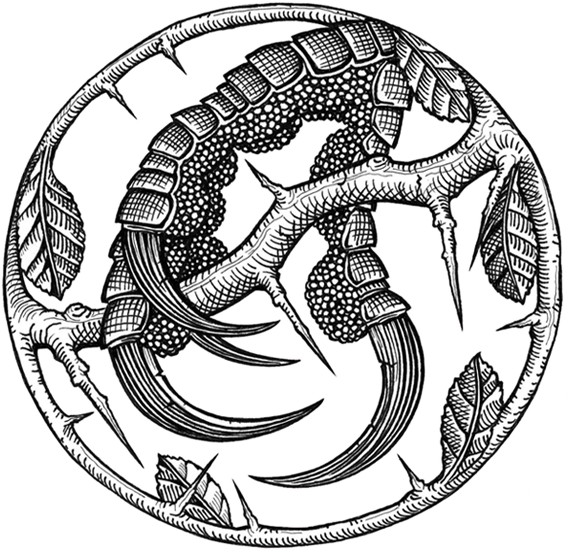
The Forni Raven Claw Pendant
Reflects the raven’s connection to memory, intelligence, and liminal knowledge, qualities closely associated with the longest night.

The Fylgja Fox Claw Pendant
Speaks to adaptability and survival, honouring the subtle, alert intelligence required to move through winter with grace.
Worn repeatedly through the winter months, these pieces become familiar in the hand and against the skin, carrying the weight of days passed and quietly marking the slow return of light.
Is Yule the Same as the Winter Solstice?
The winter solstice is an astronomical event. Yule is one of many cultural responses to it.
Historically rooted in Germanic tradition and later adapted through various modern practices, Yule has become closely associated with the solstice period. While the two are often spoken of interchangeably, it can be helpful to distinguish between the turning of the sun itself and the traditions that grew around it.
From the Winter Solstice to Imbolc
The solstice marks the turning, not the arrival of light.
In the weeks that follow, change is subtle. Days lengthen slowly, and the land remains quiet. This gradual shift is why Imbolc, celebrated later in winter, marks the first perceptible stirring beneath the surface.
If you wish to continue living in rhythm with the seasons, you can explore that next threshold here: How to Celebrate Imbolc
Winter Solstice FAQs
When is the winter solstice?
In the Northern Hemisphere, the winter solstice usually falls around the 21st of December, though the exact date and time can vary slightly each year depending on the Earth’s orbit and time zone.
What does the winter solstice symbolise?
The winter solstice symbolises darkness, stillness, endurance, and the turning point toward the return of light. It marks the longest night of the year and the beginning of the sun’s gradual return.
How do people traditionally celebrate the winter solstice?
Historically, winter solstice traditions across the Northern Hemisphere included lighting fires or candles, gathering for warmth and food, storytelling, and marking the sun’s return. Many ancient monuments were aligned with the solstice itself.
How can I celebrate the winter solstice in a simple way?
Simple winter solstice celebrations include lighting a candle at dusk, taking a quiet walk at sunrise or sunset, sharing a warm meal, reflecting on the year that has passed, or wearing a meaningful talisman through the winter months.
Is the winter solstice the same as Yule?
The winter solstice is an astronomical event. Yule is a cultural and historical winter festival that often coincides with the solstice period. While they are closely linked, they are not the same thing.
A Quiet Invitation
If this way of marking the seasons resonates, I share seasonal reflections, folklore, and studio notes throughout the year.
My newsletter is where I write more intimately about the wheel of the year, new talismans as they emerge, and the quieter rhythms beneath modern life.
You can sign up below.